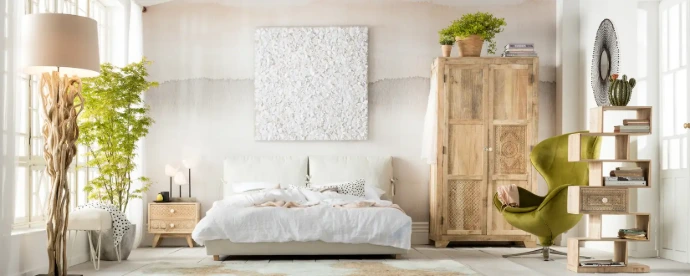
MEGA TREND: BOHO STYLE
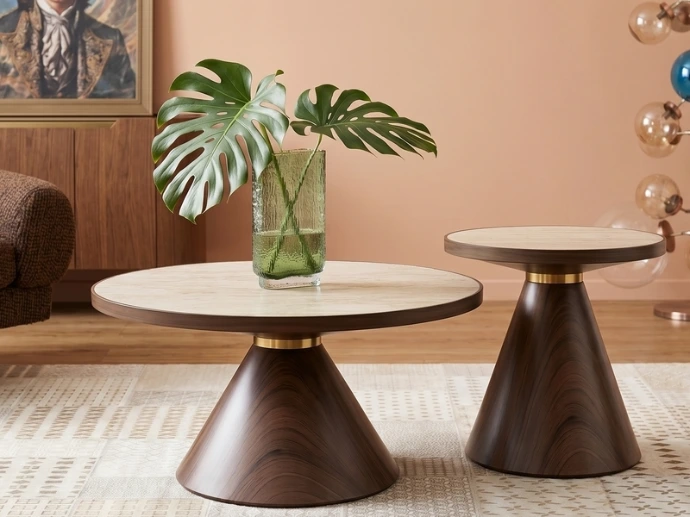
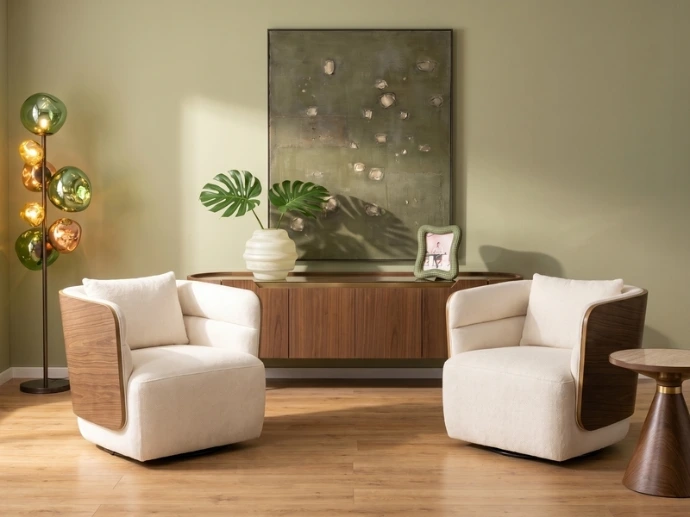
Playful accessories and furniture made from natural materials in neutral, light colors define the trendy bohemian look.
It has now become one of the most popular styles in both the fashion world and interior design.
Join us as we dive into the world of hippie charm!
DECORATE YOUR LIVING ROOM IN THE BOHO STYLE
Inspired by nature, boho also captivates with its nature-inspired
accents—true to the motto “free and vibrant.”
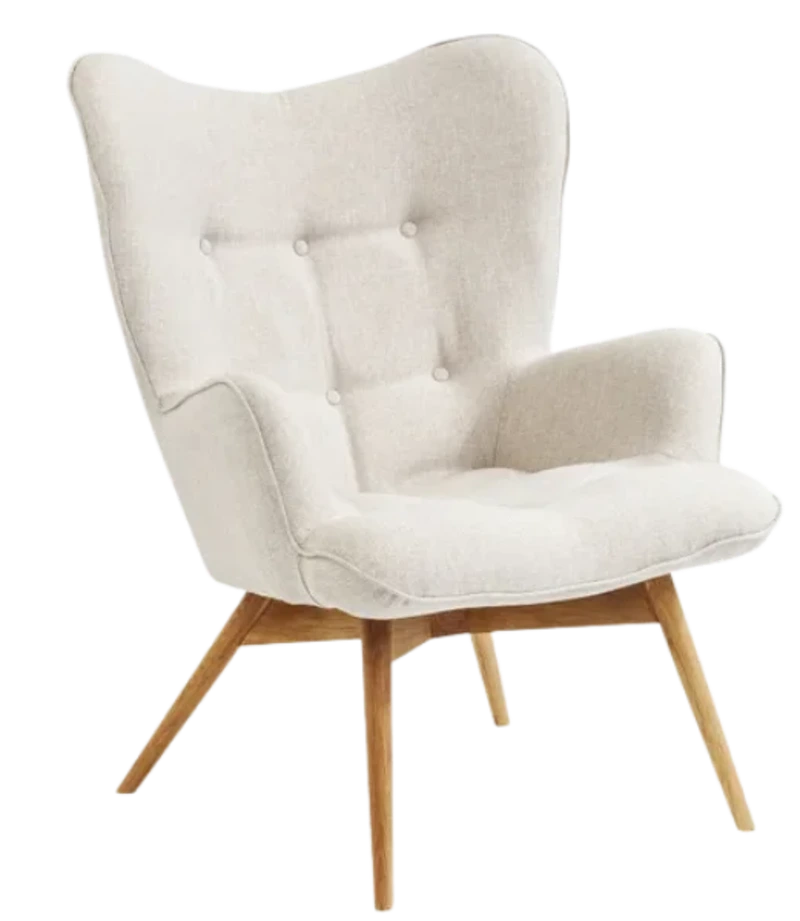
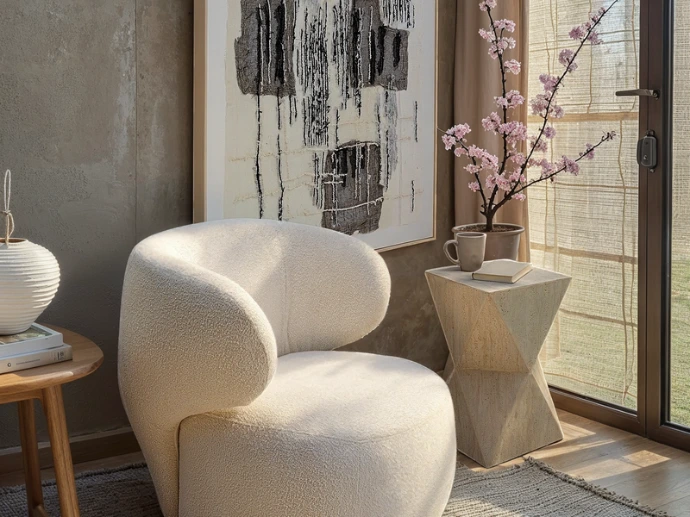
YOUR BOHO-STYLE SOFA
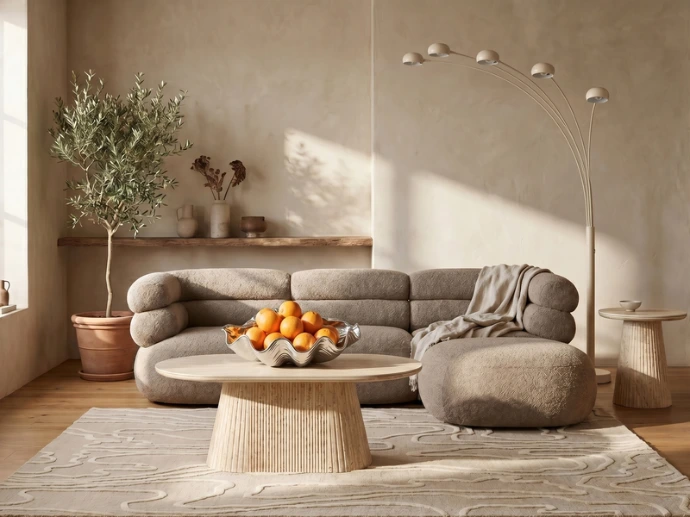

COMPLETE THE LOOK
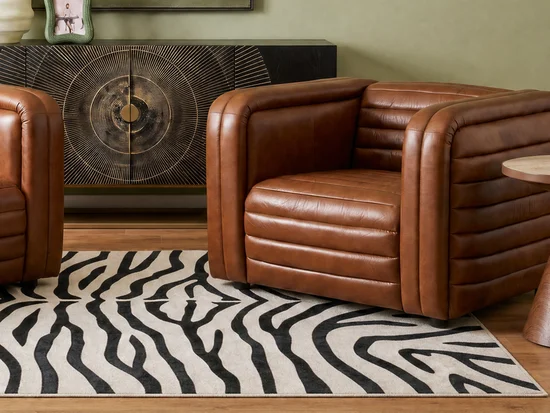
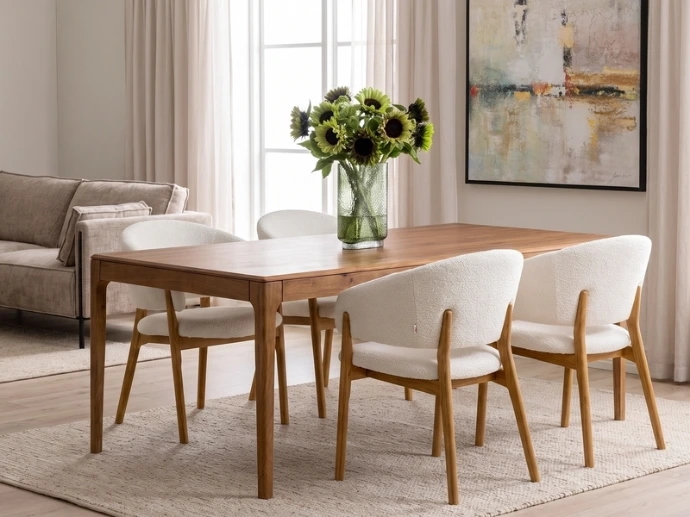
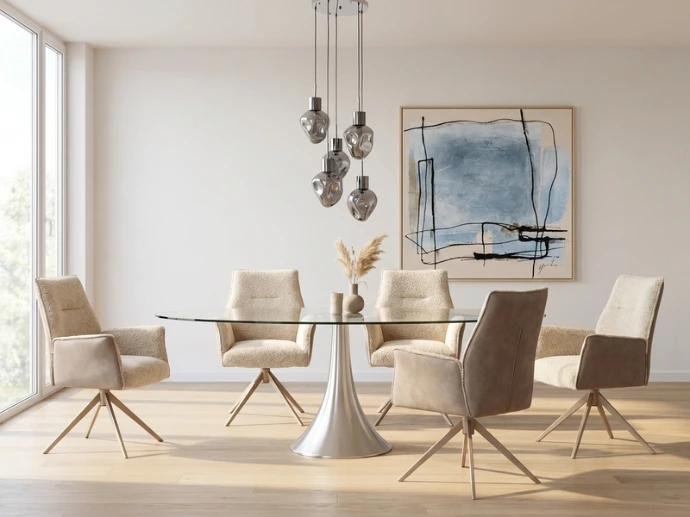
BOHO DINING ROOM FOR COZY GATHERINGS
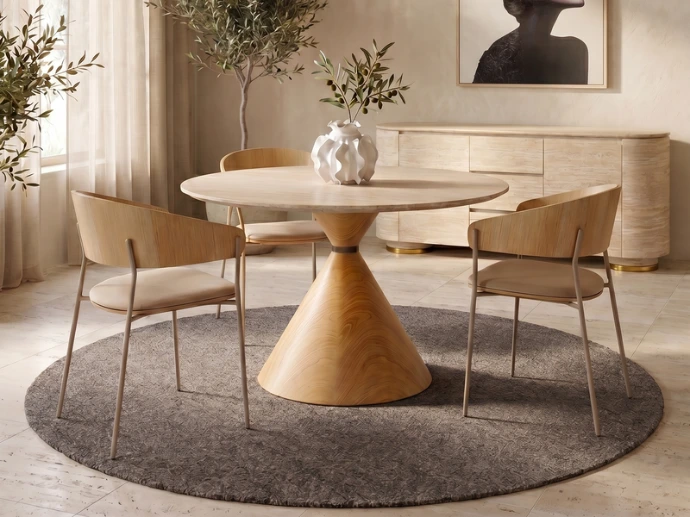
Wooden tables, wicker chairs, warm earth tones, and handmade textiles create a relaxed
atmosphere perfect for enjoying good times. With boho decor like rattan, macramé, and plenty of plants,
your boho-style dining room will become the inviting centerpiece of your
home—perfect for long evenings with family and friends.
BOHO DINING TABLES FOR A NATURAL HOME
BOHO CHAIRS FOR YOUR DINING ROOM
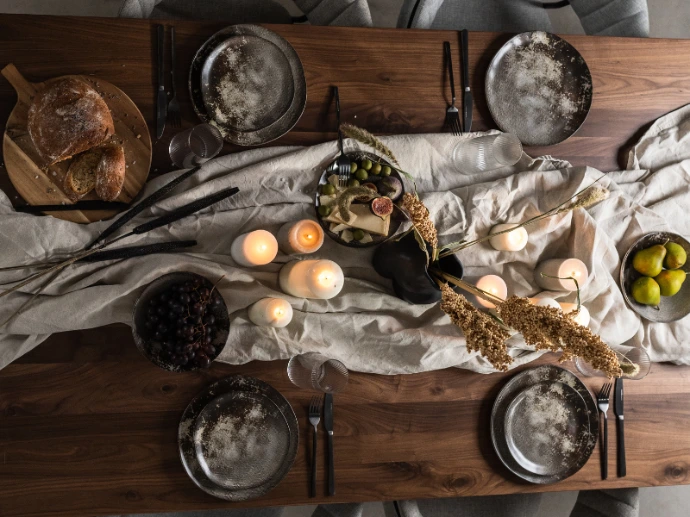
SET YOUR TABLE - BOHO STYLE
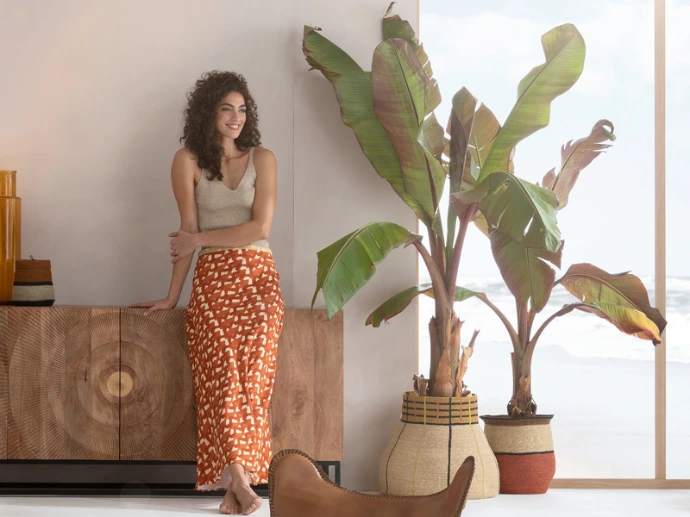
CREATE STORAGE SPACE IN STYLE
from high-quality materials and featuring practical storage space in a boho style.
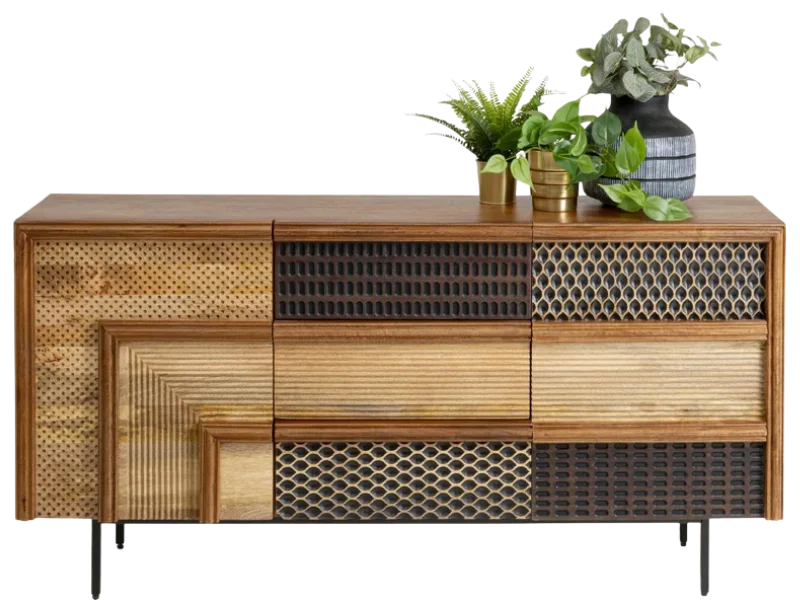
BOHO SIDEBOARDS FOR YOUR HOME

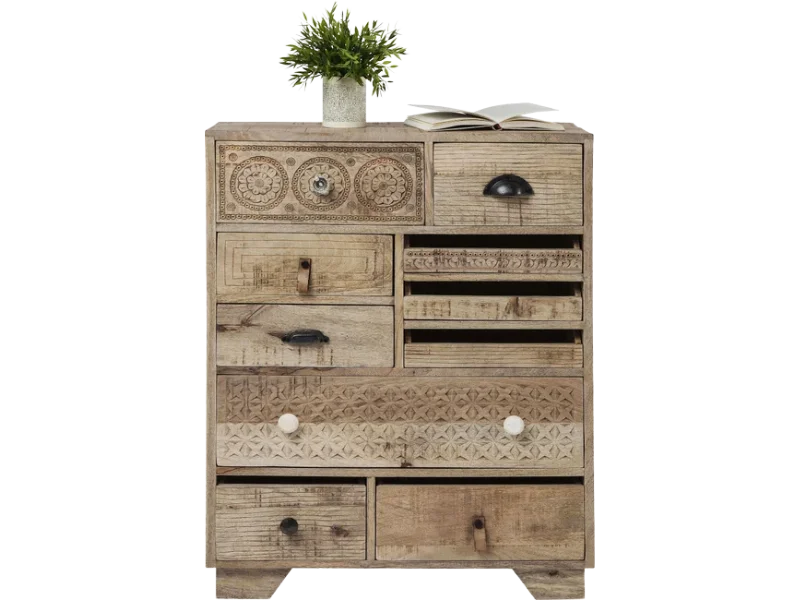
A PERFECT FIT: THE PURO FURNITURE COLLECTION
decorative carvings. This collection fits perfectly into the boho look,
and the variations in finish and color make each piece unique.
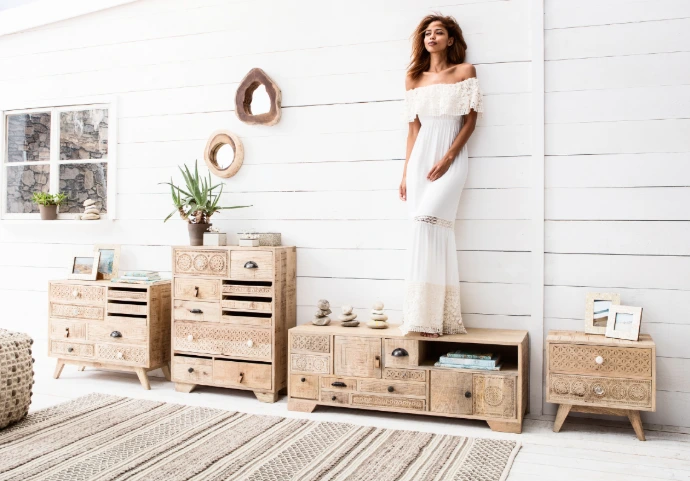
LET YOUR HOME SHINE
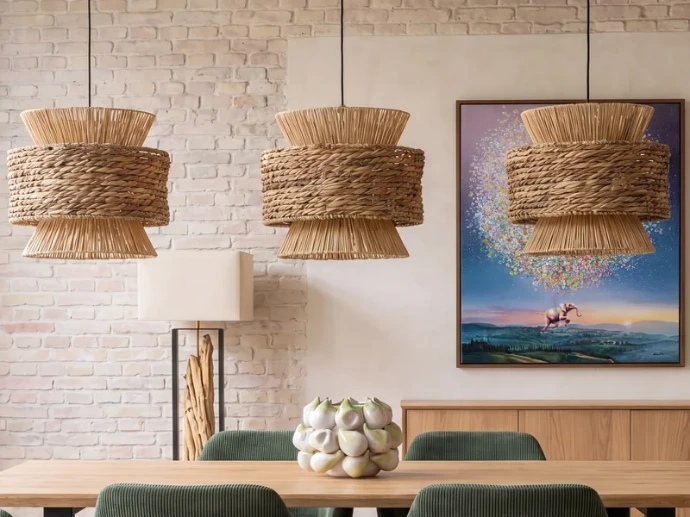
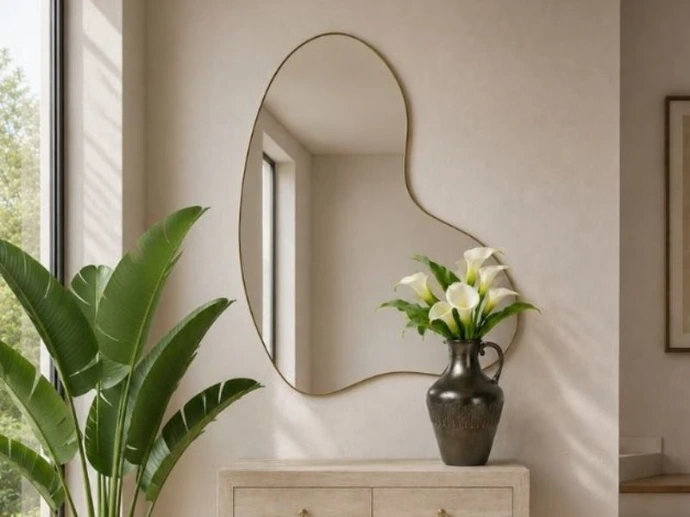
COMPLETE YOUR LOOK WITH BOHO ACCESSOIRES
mirrors with unique details, and plenty of low-maintenance decorative plants bring
boho flair to your home. With just a few carefully chosen accessories, you can create a cozy,
personal atmosphere.
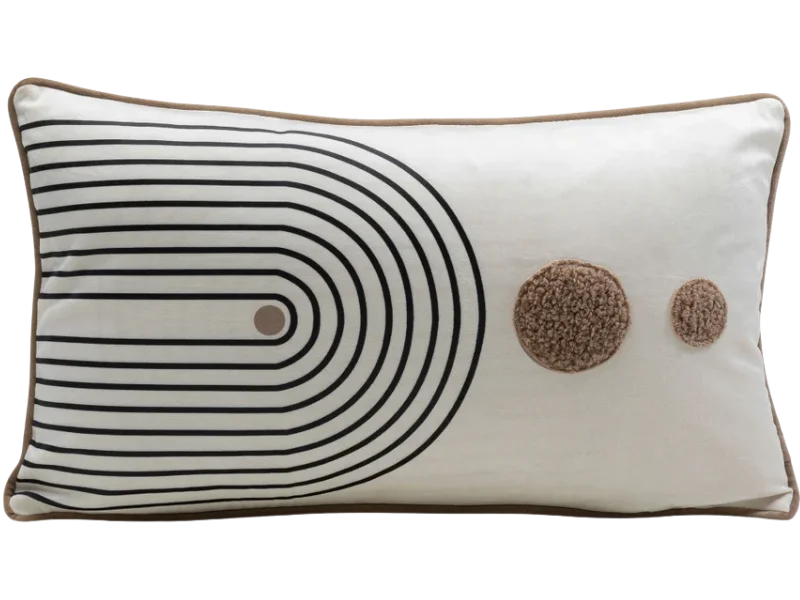
DECORATE YOUR HOME WITH BOHO VASES AND DECORATION

DECORATE YOUR WALLS WITH BOHO WALL ART
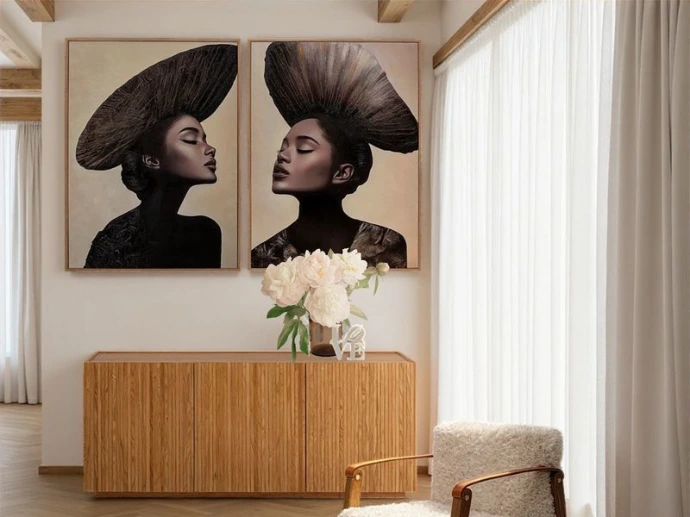
COMPLETE YOUR BOHO LOOK

MORE TRENDS
Everything You Need to Know About Boho Furniture and Interior Design
The Boho Living Style – A Journey Through History and Modern Expression
The Boho living style, short for “bohemian,” has undergone a fascinating evolution deeply rooted in the history of art, culture, and society. The origins of the Boho style date back to the 19th century and are closely tied to the Bohemian movement, which emerged primarily in Europe. This style reflects the lifestyle and philosophy of artists, writers, and intellectuals who rebelled against societal conventions and sought a free, creative life. Over time, Boho has developed into a popular and versatile interior design trend known for its relaxed, eclectic, and highly individual aesthetic.
The Origins of Boho Style
The term “Boho” originates from the French word “bohémiennes,” once used to describe gypsy women. It was later adopted to refer to artists, musicians, and writers living unconventional lives in cities like Paris during the 19th century. These individuals rejected the rigid social norms of their time, choosing instead a life centered on artistic expression, individualism, and openness to alternative social structures.
By the early 20th century, “bohemian” had become increasingly associated with an alternative lifestyle marked by poverty, creative freedom, and nonconformity. Artists like Henri Toulouse-Lautrec, Oscar Wilde, and later the poet Rainer Maria Rilke are well-known examples of this “bohemian” way of life.
Boho Style in the 20th Century
The Boho interior style saw its peak in the 1960s and 1970s, as the hippie movement and the “Summer of Love” era spread across the globe. Artistic freedom blended with the desire for a natural, alternative lifestyle, and Boho became a symbol of individuality, self-determination, and rejection of mass culture.
During the 60s and 70s, Boho interiors featured vibrant patterns, handmade textiles, ethnic influences, and a strong connection to nature. Bright oranges, earthy tones, gold accents, and lively patterned wallpapers dominated the look. Furniture was often made of wood or rattan, paired with plenty of cushions and throws to create a cozy and inviting atmosphere.
The Boho style of this period stood for freedom, unrestrained expression, and a deep connection to spiritual and cultural sources from around the world. It was influenced by travelers and adventurers, incorporating cultural elements from Africa, India, Mexico, and the Middle East.
The Evolution of Modern Boho
Since the 1990s, Boho style has continued to evolve and has entered mainstream culture without losing its original philosophy of freedom and personal expression. Modern Boho is now highly versatile and can be interpreted in many ways—from urban and trendy to cozy and nature-inspired.
Today’s Boho aesthetic is strongly influenced by sustainable living and an appreciation for handmade, vintage, and one-of-a-kind items. It blends antique furniture with natural materials like wood, linen, and cotton, along with a variety of textiles adorned with fringes, embroidery, and ethnic patterns.
Boho thrives on eclecticism—there are no strict rules. The style loves to mix different eras, cultures, and materials. Antique pieces, modern accents, and exotic artwork can all be harmoniously combined. Boho interiors are cozy, unpretentious, and inviting, emphasizing personal comfort and self-expression.
Boho in the Present Day
Today, Boho is not just a trend—it’s a lifestyle. It appeals to those who want to create a home that reflects their personality and creativity. The modern Boho style stands for individuality, sustainability, and a conscious rejection of mass-produced furniture and décor.
“Boho chic” has become a widely used term that now extends beyond interior design into fashion and everyday lifestyle. The style has opened up to include modern and minimalist elements. It’s no longer about filling a space with “art and clutter,” but rather about creating an atmosphere of calm, creative expression, and harmony.
Conclusion
The Boho living style has evolved from a rebellious movement into a refined, modern aesthetic found in homes across the world. Its roots in 19th-century art and culture and the hippie movement of the 60s and 70s remain evident, yet it has adapted to reflect contemporary needs and values. Boho remains a celebration of freedom, creativity, and personal expression—timeless and yet always modern.
The Boho Living Style – A Celebration of Freedom, Creativity, and Cultural Fusion
The Boho living style is a blend of artistic expression, cultural influences, and an unconventional mindset. It is defined by its warm, welcoming atmosphere and emphasizes individuality, creativity, and the celebration of diversity. More than just a design, the Boho style represents a life philosophy that opposes rigid norms and embraces a free, untethered existence. Here are the defining characteristics that make up the Boho living style:
1. Eclectic Mix of Colors and Patterns
Boho thrives on the combination of vibrant colors and diverse patterns. There are no strict rules for color selection, but earthy tones like brown, ochre, terracotta, and green are often used, complemented by bold accents like turquoise, magenta, red, and yellow. Patterns range from floral and geometric designs to ethnic and oriental motifs drawn from cultures around the world.
This fusion of colors and patterns creates a lively, dynamic atmosphere and gives each space a deeply personal touch. These patterns are particularly prominent in textiles like cushions, blankets, rugs, and curtains.
2. Furniture Made from Natural Materials
Boho interiors favor natural materials such as wood, wool, linen, cotton, rattan, cork, and leather. Furniture and décor made from these materials ground the space and bring a cozy, warm feeling. Wood is often left in its natural state, with visible grain and aged finishes. Macramé wall hangings and handcrafted textiles made from natural fibers are also typical of the style.
These materials reflect Boho’s sustainability ethos while helping to create a comfortable and inviting environment.
3. Diverse Cultural Influences in Furniture Design
A key feature of Boho style is the integration of various cultural and ethnic influences. Inspired by travel, curiosity about other cultures, and global exchange, Boho spaces often include Indian, African, Mexican, or Middle Eastern accents—appearing in rugs, wall hangings, sculptures, or furniture. Moroccan rugs, African masks, Indian textiles, pottery, and artworks from around the globe are commonly found in Boho interiors.
These cultural elements add an exotic flair and a colorful, international atmosphere to the space.
4. Versatile and Comfortable Furniture
Boho design focuses on furniture that is both functional and aesthetically pleasing. Pieces are often vintage or handmade, blending different eras and styles. Rattan chairs, plush sofas layered with pillows, Boho-chic armchairs, and antique-style wooden furniture are all common features.
Comfort and coziness are paramount, creating a relaxed, welcoming ambiance. The furniture often embraces imperfection, celebrating uniqueness and charm over symmetry or sleek design.
5. Plants and Natural Elements as Decorative Accents
Another signature of the Boho style is the inclusion of plant life. Large indoor plants, herbs, and small succulents breathe life and freshness into the room. Plants are not merely decorative—they reconnect the home to nature.
Natural elements like stones, shells, dried flowers, and wooden ornaments are also frequently used as decorative details. These items strengthen the room’s earthy and organic feel.
6. Abundance of Cushions and Throws
Boho is well-known for its cozy textiles. Cushions, plaids, rugs, and throws are often generously used to create a snug and layered look. Cushions of all shapes, sizes, colors, and patterns are central to the Boho aesthetic and integrate seamlessly into the overall space.
Natural fiber rugs, woven blankets, and bedspreads add extra texture and color, enhancing the room’s warmth and personality.
7. Unconventional and Personal Decoration
Creativity and individuality are central to Boho décor. Accessories are often handmade, vintage, or DIY projects with personal meaning. Boho interiors feature many unique and often unconventional items that tell stories—such as antique finds, travel souvenirs, or handcrafted artwork. The goal isn’t to create a flawless space but to fill it with character and vibrancy.
8. Relaxed and Casual Arrangement
Furniture arrangement in Boho spaces is loose and flexible rather than rigid or formal. Items are not placed in symmetrical lines but arranged to promote a laid-back, easygoing feel. It’s common to see cozy corners with floor cushions, layered rugs, and plants, inviting relaxation and reflection.
Conclusion
The Boho living style is a celebration of freedom, diversity, and individual expression. It combines cultures, colors, patterns, and materials to form a unique, vibrant, and relaxed environment. This style is perfect for those who want to reflect their personality in their home and appreciate an interior that is not only functional but also creative and full of charm. Boho is never dull or perfect—it’s a joyful, adventurous expression of life and a deep connection to nature.
Combining Furniture and Decorative Elements in the Boho Style
Combining furniture and decorative elements in the Boho style is an art based on creativity, diversity, and individuality. The Boho style thrives on the freedom to mix different influences, materials, and textures without following strict rules. The key to a successful combination lies in creating a harmonious, cozy atmosphere that feels both personal and unique. Here are some tips on how to skillfully combine furniture and decorative elements in the Boho style:
1. Mixing Materials
The Boho style often uses a variety of natural materials. You can mix different textures and surfaces to create a warm, inviting space.
Wood and rattan: Combine dark wood furniture with rattan or wicker pieces. A solid wood table pairs beautifully with a woven rattan chair. These materials offer different textures but work together seamlessly within the Boho aesthetic.
Metal and textiles: Accents of copper, brass, or black metal in the form of lamps, shelves, or side tables work well with soft, flowing textiles such as cotton, linen, or silk. This combination of hard and soft elements creates a balanced and harmonious feel.
2. Variety of Colors and Patterns
The Boho style is defined by a vibrant mix of colors and patterns. There are no fixed rules, but certain combinations can help tie furniture and décor together.
Colors: Earth tones like brown, ochre, beige, and terracotta are often paired with bold accents such as turquoise, magenta, mustard yellow, and green. Colorful cushions, rugs, and throws can perfectly complement furniture and bring warmth to the space.
Patterns: Mix geometric, floral, ethnic, and oriental patterns. These can appear on cushions, rugs, wall hangings, and throws, adding energy and character to the room. Be mindful not to overload the space—aim for a balanced, cohesive mix.
3. Blending Furniture from Different Eras
Boho thrives on eclecticism—the free combination of furniture from different time periods and styles. This creates a deeply personal and imaginative atmosphere.
Vintage with modern: Pair a 1960s vintage sofa with a modern coffee table or combine an antique wooden shelf with sleek metal shelving. The blend of old and new gives the room depth and character.
Cultural influences: Incorporate furniture from various cultures—such as a Moroccan pouf beside an Indian wooden cabinet. This creates an exotic and welcoming environment, typical of the Boho look.
4. Textiles as a Unifying Element
Textiles play a central role in Boho interiors. They provide coziness and color and help link furniture and decor elements.
Cushions and throws: Use cushions in various shapes and sizes, adorned with handmade fabrics, fringed edges, and colorful patterns. Throws draped over sofas or chairs add to the relaxed feel and visually connect furniture pieces.
Rugs: Use woven rugs made of natural fibers like wool or cotton to anchor the furniture. An oriental rug can complement a modern wooden or metal coffee table, while a geometric rug can work well with traditional pieces.
5. Decor as a Personal Expression
Boho style embraces unconventional decor that often holds personal meaning. Decorative choices should be individual and creative.
Wall hangings and macramé: Macramé wall art, flags, or textile artworks add a warm, artistic touch. You can also use large mirrors with metal frames or vintage picture frames to enrich the room.
Plants and natural materials: Add houseplants to fill the space with fresh energy. Large plants like ficus or palms, along with small succulents or air plants, create a pleasant green atmosphere. Natural materials like wooden figures, stone objects, or shells serve as beautiful decorative accents and reinforce the connection to nature.
6. Lighting for a Relaxed Mood
Lighting is essential in setting the right mood in Boho interiors. It should be warm and welcoming to create a cozy ambiance.
Lamps: Use hanging lamps made of rattan, copper, or brass for soft, warm lighting. Fairy lights or floor lamps with fabric shades can also contribute to a relaxed atmosphere.
Candles: Decorative candle holders or tealight holders made of ceramic, brass, or glass add warmth. Candlelight brings an intimate, cozy feel that complements the Boho vibe.
7. Unconventional Furniture Arrangement
Boho style is flexible and delightfully imperfect. Furniture placement doesn’t have to be symmetrical or orderly.
Casual layout: Arrange your furniture in different zones of the room to create a laid-back ambiance. A sofa might be paired with a round rug and a few lounge chairs, while a wooden table could be accompanied by a basket shelf or a reading nook.
Nooks and cozy corners: Create intimate corners with benches, poufs, and lots of cushions. A hanging chair or a reading tent can serve as additional cozy retreats within the space.
Conclusion
Combining furniture and decorative elements in the Boho style is all about the freedom and creativity to mix materials, colors, patterns, and cultural influences. Choose furniture that is both functional and comfortable, and use textiles, plants, and personal decorations to bring the space to life. The Boho style is a flexible, expressive way to showcase your personality and offers endless possibilities to make your space truly your own.
Boho Chic and Its Characteristic Materials
Boho Chic thrives on a variety of natural materials and textural contrasts that make a space feel cozy, inviting, and full of life. These materials are often handmade, imperfect, and bring a warm, relaxed atmosphere into your home. Here are some of the most characteristic materials of the Boho style:
1. Wood
Wood is one of the central materials in Boho interiors because it radiates warmth and natural beauty. It is often used in the form of vintage-style furniture, shelves, tables, or flooring. Both light and dark wood types can be used, depending on the ambiance you want to create. In Boho style, wood often appears untreated or handcrafted, giving the room a rustic charm.
2. Rattan and Woven Materials
Rattan, bamboo, and other woven fibers are typical of the Boho style. They bring a sense of lightness and exotic flair to the space. Furniture like rattan chairs, woven shelves, or bamboo lamps are widely used and contribute to a natural, organic aesthetic. Woven materials are also often used in decorative elements like baskets, wall hangings, or storage solutions.
3. Leather
Leather is another defining material in Boho style, particularly in items like leather armchairs, ottomans, or cushion covers. Genuine leather in warm brown tones adds a vintage and bohemian charm to the space. It's a material that evolves over time, gaining more character, which makes it a perfect match for Boho interiors.
4. Textiles: Cotton, Linen, Wool
Textiles in Boho style are soft, natural, and often handmade. Cotton and linen are commonly used for cushions, bedding, curtains, and throws to create an airy, relaxed ambiance. Wool is valued for rugs and blankets, adding texture and warmth to the room. In the winter months, wool especially enhances the cozy atmosphere.
5. Macramé
Macramé is a particularly distinctive element of the Boho aesthetic. These handcrafted, knotted designs are often seen in wall hangings, hanging chairs, plant holders, or cushion covers. The rough, textured appearance of macramé evokes a sense of craftsmanship and creativity that defines the Boho spirit.
6. Metals: Copper, Brass, and Iron
Copper, brass, and iron are popular metals in Boho interiors. They are mainly used in lighting fixtures, candle holders, shelves, or decorative objects. These metals add shine and contrast to a room and pair beautifully with natural materials like wood and rattan. Brass and copper with a matte finish offer a refined yet relaxed look.
7. Stone and Clay
Stone and clay are often found in Boho-style decoration and ceramics. Clay pots or handmade stone vases have a natural appeal and complement the other materials perfectly. These elements bring an earthy charm into the space and harmonize well with the broader palette of Boho materials.
8. Glass
Glass is another favored material in the Boho style, especially in the form of lamps, vases, or candle holders. Glass elements often come in faded colors or rough finishes to create a relaxed yet elegant ambiance. Frosted or colored glass adds lightness and reflective quality to the room.
9. Jute and Sisal
Jute and sisal are frequently used for rugs, baskets, or wall decorations. These sturdy, natural fibers bring a sense of earthiness and texture to the space, emphasizing the calming essence of Boho style. Their coarse texture provides a beautiful contrast to softer materials like linen or cotton.
Conclusion
Materials in the Boho style are a mix of natural, imperfect, and handmade elements. Wood, rattan, leather, textiles like cotton and linen, and metals like copper and brass bring both warmth and exotic flair into the space. The Boho aesthetic thrives on this diversity, where each material tells its own story and contributes to a harmonious and cozy atmosphere. It's this unique mix of textures and cultural influences that makes the Boho style so vibrant and distinctive.
Boho Chic Style: Characteristic Colors for Furniture and Interiors
The Boho Chic style is defined by a vibrant yet relaxed color palette inspired by nature, cultural influences, and a sense of freedom. Colors in Boho Chic are often warm, earthy, and lively, creating an inviting, cozy, and creative atmosphere. Here are some of the most characteristic colors for furniture and interior design in Boho Chic style:
Earth Tones
Earth tones are the foundation of Boho Chic and bring warmth and a natural feel to a space. These colors evoke nature and add calmness to a room. Especially popular are:
Brown shades: From deep chocolate to wood tones, these hues dominate wooden and leather furniture and create a warm atmosphere.
Beige and sand: These neutral tones are often used for sofas, rugs, or walls to offer a calm and harmonious base.
Terracotta and rust: These earthy, reddish-brown tones are typical for tiles, pottery, or rugs and bring a vibrant yet natural color note.
Warm Reds
Boho Chic loves warm red tones that express passion and energy. These shades give furniture and décor a bold and inviting character.
Brick red and rusty red: These warm, earthy reds often appear in cushions, throws, and rugs and serve as accent colors in otherwise neutral rooms.
Coral and fuchsia: These more vivid reds bring freshness and liveliness, especially in the form of pillows or curtains.
Yellows and Oranges
Yellow and orange tones bring warmth and a sunny feeling into the room. They symbolize joy, optimism, and creativity—perfectly capturing the laid-back, artistic spirit of Boho Chic.
Mustard yellow: One of the most popular Boho colors, it pairs beautifully with brown, ochre, and green.
Amber and burnt orange: These tones add depth and warmth and are often used in rugs, upholstery, or wall decor.
Green Shades
Green is a calming and earthy color that plays a special role in Boho Chic. It connects the space to nature and fosters a harmonious, refreshing ambiance.
Dark green and moss green: These deep greens work beautifully with wooden and leather furniture and create a grounded, earthy mood.
Sage and olive green: These soft tones are ideal for pillows, curtains, or throws and give a room a relaxed, harmonious feel.
Blues
Blue is frequently used in Boho Chic to bring a cooler, yet tranquil and soothing atmosphere into the space.
Turquoise and teal: These intense blues evoke exotic destinations and are often featured in rugs, pillows, and wall hangings to create a tropical or coastal mood.
Navy blue: This deep shade adds depth and pairs well with warm earth tones. It can be used in furniture or accent pieces to create contrast.
Violet and Plum Shades
Violet and plum tones add a mystical and spiritual element to the room, which is especially valued in Boho Chic.
Lavender and lilac: These soft purples introduce a subtle, romantic touch and pair well with neutral and earthy tones.
Metallic Accents
Metallics like brass, copper, and gold are often found in Boho Chic interiors, especially in lighting, candle holders, or décor items.
Brass and copper: These golden tones bring warmth and shine without being overwhelming. They pair especially well with the warm, earthy colors of the style.
Silver: Used in smaller accents like mirror frames or metal shelves, silver adds a cooler, yet elegant touch.
White and Cream
Although Boho Chic is known for bold colors, white and cream play a key role as calming base tones. They make rooms appear larger and brighter, providing the perfect canvas to highlight vibrant colors and patterns.
White: Often used as a primary color for walls, bedding, or upholstery, it gives a space an airy, open feel.
Cream and ivory: These warmer whites are ideal for furniture and large textiles, adding warmth without feeling cold.
Conclusion
Boho Chic thrives on a harmonious blend of warm earth tones, vibrant accent colors, and calming greens. Favorites include mustard yellow, terracotta, turquoise, moss green, fuchsia, and violet. These colors can be freely combined, with every piece of furniture and décor offering a chance to create a personal and creative atmosphere. The Boho Chic style embraces individuality and creates a warm, cozy, and lively environment that is both relaxing and inspiring.
Boho Chic Style: Characteristic Decor and Accessories
The Boho Chic interior style is known for its diversity, creativity, and blend of cultural influences. Decor and accessories in Boho style reflect a love for handmade and unique objects and contribute to a cozy, relaxing atmosphere. They often combine natural materials with vibrant colors, patterns, and ethnic elements. Here are some of the defining decor and accessory features of the Boho interior style:
Macramé
Macramé is a key feature of the Boho style. These intricate knot works made from cotton or linen add texture and depth to a space.
Macramé wall hangings: These handcrafted artworks are central to Boho interiors and are often used as wall decorations. They create a cozy, textured ambiance.
Macramé plant hangers: These floral suspensions perfectly align with the nature-inspired aesthetic of Boho style and showcase greenery in a stylish way.
Cushions and Throws
Cushions and throws play a central role in Boho style. They add comfort as well as color, pattern, and texture to the space.
Colorful cushions: Cushions in various sizes and patterns (geometric, floral, ethnic) on sofas and beds are essential. Often adorned with tassels or embroidery, they create a warm, inviting atmosphere.
Cozy throws: Soft blankets in different textures like wool, linen, or cotton create inviting nooks and can be casually draped over sofas or chairs. Fringe details and colorful accents make them true eye-catchers.
Rugs
Rugs in Boho style are often handwoven, colorful, and feature ethnic or oriental patterns. They bring both color and coziness into the room.
Oriental rugs: Persian or Moroccan rugs are classic favorites in Boho interiors. With bold colors and intricate designs, they add warmth and character to the space.
Jute rugs: For a more rustic touch, jute or sisal rugs can be used. These natural materials add texture and warmth and pair well with other Boho elements.
Lamps and Lighting
Lighting in Boho interiors is not just functional but also an important decorative element. It creates a cozy, relaxed ambiance and highlights the creativity of the style.
Hanging lamps made of rattan or bamboo: These natural materials are ideal for Boho Chic and provide soft, diffused lighting.
Fairy lights: String lights or LED lights in various shapes add a magical atmosphere, especially when draped across shelves, walls, or above the bed.
Vintage lamps: Metallic lampshades in brass or copper or Moroccan lanterns with colorful glass details can give the room an exotic touch.
Plants and Greenery
Plants are another essential part of Boho style, adding freshness, vitality, and a natural vibe to the space.
Large indoor plants: Palms, ficus, cacti, or snake plants are perfect for bringing greenery indoors. They add color and create a relaxed, nature-inspired atmosphere.
Hanging plants: Plants in macramé hangers or hanging pots are especially popular in Boho interiors. They add vertical interest and a laid-back mood.
Vintage and Handcrafted Furniture
Boho style often includes furniture with antique charm or handcrafted details. These pieces are usually unique and tell a story.
Vintage cabinets or antique dressers: Boho furniture is often irregular or rustic, featuring patina and signs of age.
Unique furniture pieces: Armchairs or chairs with colorful upholstery, woven wicker furniture, or pieces made from recycled materials are especially popular.
Mirrors
Mirrors are frequently used in Boho Chic to visually expand the space and reflect light.
Antique mirrors: Mirrors with vintage frames made of brass, wood, or wicker are typical Boho accessories. They give the room a nostalgic flair.
Large wall mirrors: A large round mirror or one with an exotic frame adds a dramatic effect and contributes to the Boho style’s unconventional charm.
Basket and Storage Solutions
Boho style embraces storage solutions that are both practical and stylish.
Wicker baskets and bins: Woven materials are used not only for furniture but also for storage. Large baskets made of rattan, seagrass, or rope are great for organizing items and serve as decorative pieces.
Wall shelves: Floating shelves or woven baskets mounted on the wall provide additional storage and offer creative ways to display plants or personal collections.
Colorful and Ethnic Decor
Ethnic and cultural influences in Boho style often appear through decorative objects from around the world.
Indian or African artworks: Wooden sculptures, woven wall hangings, or ceramics from various cultures bring exotic accents into the room.
Small decorative figures: Statues, pottery, or ceramic vessels from different regions add personal flair and tell stories.
Art and Wall Hangings
Boho style is a true celebration of art. Walls are often adorned with creative and handcrafted pieces.
Paintings and posters: Walls can be decorated with colorful paintings, prints, or watercolors that bring life and personality to the space.
Wall hangings and textile art: Macramé tapestries, hammocks, or woven hangings add texture and color, creating a warm, inviting atmosphere.
Conclusion
Boho Chic decor thrives on variety, creativity, and a love for handmade and unique pieces. Elements like macramé, colorful cushions, ethnic rugs, plants, and vintage furniture bring color, texture, and an exotic touch to the home. The goal is to create a cozy, vibrant, and personal environment where individual design elements blend together to form a truly unique living space.